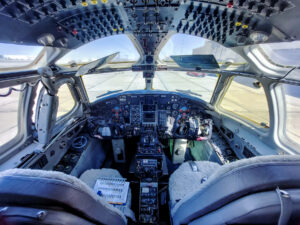
Developing a new aerospace system is challenging enough. Navigating the testing requirements needed to prove that the system performs safely and reliably can be just as complex.
Whether you’re validating a new antenna, communications system, sensor, payload, or experimental technology, testing is rarely a one-size-fits-all process. Different organizations establish different standards depending on the mission, platform, and intended use of the technology..
Understanding who sets those standards and why they matter can help aerospace and defense teams better prepare for successful flight test programs.
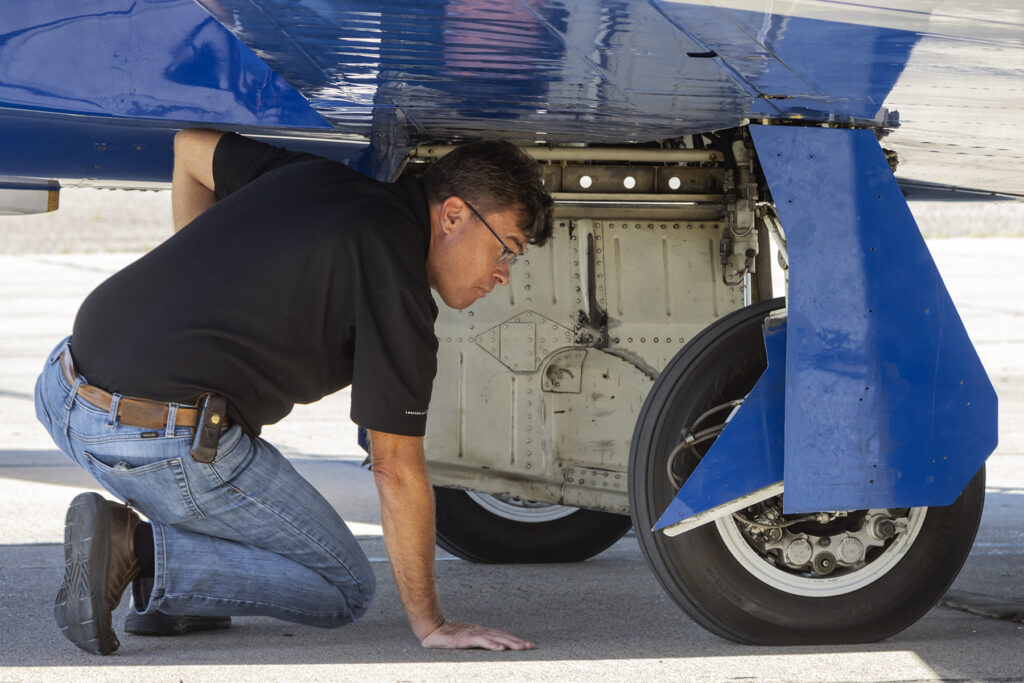
Why Aircraft Testing Standards Matter in Aerospace Missions
Flight testing is about more than collecting data. It provides the evidence needed to verify performance, reduce risk, and support deployment decisions.
Safety and Mission Readiness
Before a system is used operationally, teams need confidence that it can perform as expected in real-world conditions. Flight testing helps identify potential issues that may not appear during laboratory or ground-based testing.
Testing standards provide a framework for evaluating safety, reliability, and mission readiness before a system moves into operational environments.
Performance Verification
Many aerospace technologies perform differently in the air than they do on the ground. Environmental conditions, aircraft movement, altitude, vibration, and electromagnetic interference can all impact performance.
Standardized testing procedures help ensure that collected data accurately reflects how a system will perform in its intended operating environment.
Certification and Operational Requirements
Depending on the application, flight testing may be required to support regulatory approval, military acceptance, customer requirements, or program milestones.
Established testing standards help ensure results are credible, repeatable, and accepted by stakeholders throughout the program lifecycle.
Key Organizations Responsible for Aerospace Testing Standards
Several organizations influence how aerospace systems are tested and evaluated.
FAA Testing Frameworks
The Federal Aviation Administration (FAA) establishes testing and certification requirements for many civil aviation systems and aircraft modifications.
While requirements vary by program, FAA guidance often influences testing methodologies, documentation standards, and safety processes throughout the aerospace industry.
DoD and Flight Testing Requirements
Defense programs frequently follow testing frameworks established by the U.S. Department of Defense and specific requirements from individual military/GOV Organizations.
These requirements often focus on operational effectiveness, survivability, mission performance, and system interoperability. Defense flight testing may involve unique mission profiles and evaluation criteria that differ significantly from commercial aviation standards.
Industry Compliance Organizations
In addition to government agencies, organizations such as RTCA, SAE International, and various military standards bodies help establish guidelines for system development, validation, and testing.
These standards often provide the foundation for how aerospace manufacturers and contractors design their verification programs.
Common Standards Used in Antenna and Sensor Testing
While specific requirements vary by program, several areas frequently require airborne validation.
Antenna Flight Testing Procedures
Antenna performance can be heavily influenced by aircraft installation, surrounding structures, and operational conditions.
Flight testing allows engineers to evaluate coverage patterns, signal strength, interference characteristics, EMI and overall system effectiveness in real-world environments.
Airborne Sensor Testing Requirements
Airborne sensors often require flight testing to validate performance in real-world operating conditions. Environmental factors such as altitude, aircraft movement, weather, and electromagnetic interference can all influence system effectiveness.
Flight testing helps engineers evaluate sensor accuracy, reliability, data collection capabilities, and overall operational performance before deployment.
Payload Validation Protocols
Many aerospace programs involve validating new payloads before operational deployment.
Flight testing can confirm system functionality, integration performance, environmental tolerance, and mission effectiveness while providing stakeholders with actionable performance data.
How G&G Aero Helps Programs Meet Testing Requirements
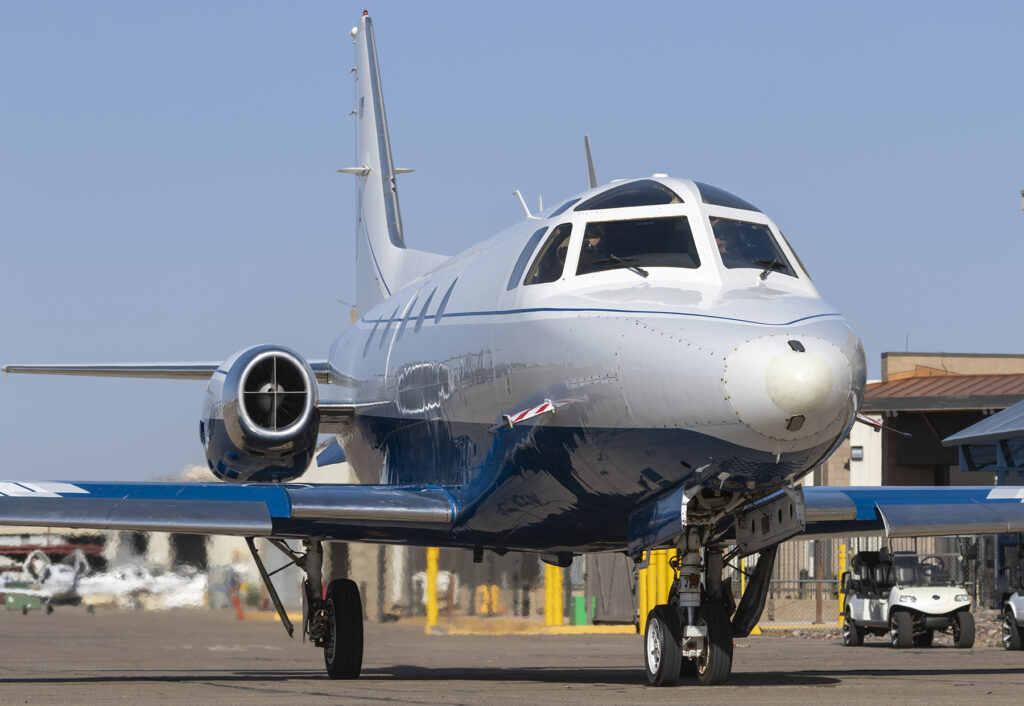
We have a “Turn-Key” flight test operation. Our Aircraft are solely dedicated to Flight Test and are in various configurations to support almost anything. Podded or Radome Supported Solutions are typical
Successful testing requires more than an aircraft. It requires an experienced team, flexible platforms, and a process built around program objectives.
Flexible Airborne Flight Testing Support
G&G Aero supports a wide range of aerospace and defense flight test programs, including antenna testing, sensor validation, communications systems testing, and experimental payload development.
Our flexible aircraft platforms help teams gather the data needed to support performance verification and program decision-making.
Rapid Integration Flight Testing
Many programs face aggressive development timelines. G&G Aero specializes in rapid integration and flight test execution, helping customers move from installation to airborne testing in as little as 30 days.
This streamlined approach helps reduce delays while maintaining the rigorous testing standards required for mission success.
Aerospace Product Testing Capabilities
From developmental flight testing to operational demonstrations, G&G Aero provides airborne testing support designed to help aerospace and defense organizations validate systems in real-world conditions.
By combining experienced personnel, adaptable aircraft, and efficient test execution, we help customers generate meaningful data that supports certification, evaluation, and deployment objectives.
Partner with G&G Aero for Airborne Flight Testing
Meeting aerospace testing requirements starts with the right flight testing partner.
G&G Aero provides flexible airborne flight testing services for aerospace, defense, communications, antenna, sensor, and payload validation programs. Our team helps customers validate performance, collect actionable data, and move programs forward with confidence.
Contact G&G Aero to learn how our airborne flight testing capabilities can support your next mission.