
Airborne flight testing is a key step in moving aerospace and defense systems from concept to real-world performance.
Whether you’re validating ISR systems, testing new sensors, or integrating experimental payloads, lab data can only go so far. At some point, systems need to perform in actual flight conditions to deliver meaningful, actionable results.
For defense contractors, this phase is often where timelines either accelerate or stall.
The difference usually comes down to access. Access to aircraft, integration support, and a testing partner that can move at the speed of your program.
What Is Airborne Flight Testing?
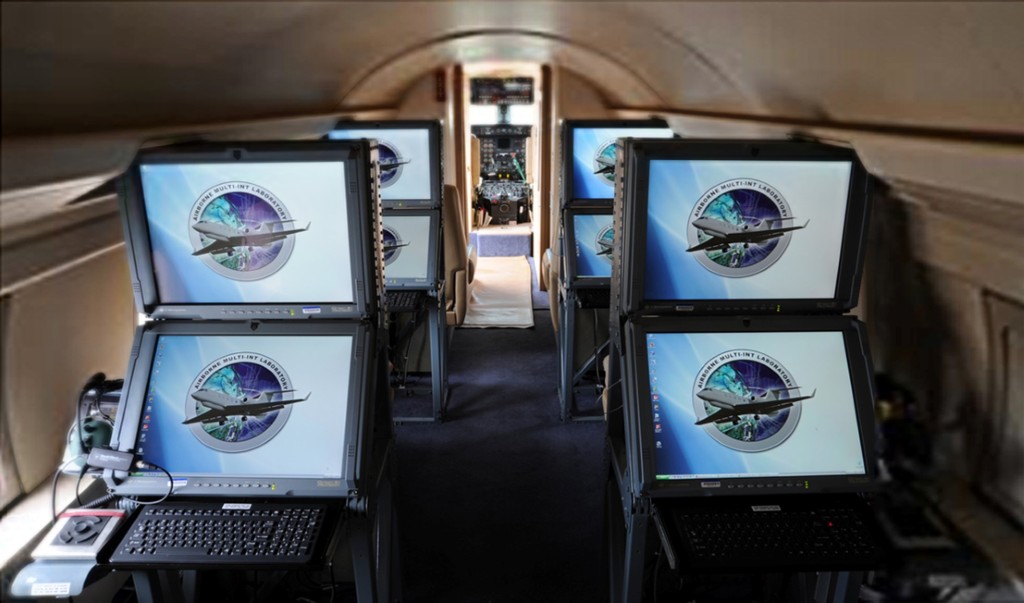
Airborne flight testing involves operating equipment or systems onboard an aircraft to evaluate performance in real-world conditions.
This can include:
- Sensors and ISR systems
- Communication and antenna systems
- Electronic warfare payloads
- Experimental or developmental payloads
Unlike ground-based testing, airborne testing allows teams to gather data in the exact environments where systems are expected to operate at altitude, in motion, and under real mission conditions.
Common Challenges Defense Contractors Face
1. Limited Aircraft Availability
Many programs rely on large defense contractors or government-managed resources for flight testing. These assets are often booked far in advance, leading to delays that impact the entire program timeline.
2. Slow Integration Timelines
Integrating payloads onto aircraft can be complex. Without a team experienced in rapid integration, this phase can create significant bottlenecks.
3. High Costs and Inflexibility
Traditional testing routes often come with high costs and rigid scheduling, making it difficult to adapt when programs evolve or timelines shift.
4. Delays That Compound
Flight testing is rarely the final step. Delays here can ripple through validation, iteration, and deployment, costing both time and budget.
What to Look for in an Airborne Flight Testing Partner
Choosing the right partner can dramatically impact the speed and success of your program.
Here is what to prioritize:
Flexible Aircraft Platforms
The ability to match your payload requirements with the right aircraft is critical. Flexibility allows for more efficient testing and better data collection.
Rapid Scheduling
Programs move fast. Your testing partner should be able to mobilize quickly without months-long lead times.
Hands-On Integration Support
A team that can assist with payload integration helps reduce risk and keeps timelines on track.
Experience with Defense Systems
Working with a partner familiar with aerospace and defense testing requirements ensures smoother execution and more reliable results.
How Airborne Testing Impacts Program Timelines
Airborne flight testing is often on the critical path of a program.
When testing is delayed:
- Development timelines extend
- Costs increase
- Iteration cycles slow down
When testing is efficient:
- Systems are validated sooner
- Teams can iterate faster
- Programs move toward deployment with greater confidence
In short, the speed and efficiency of flight testing directly influence how quickly a system becomes operational.

A More Efficient Approach to Airborne Flight Testing
For many contractors, the traditional model of relying on large, overscheduled providers no longer supports the pace of modern aerospace development.
A more effective approach includes:
- On-demand access to aircraft
- Streamlined integration processes
- Flexible scheduling aligned with program needs
- A focused team that prioritizes speed and execution
This shift allows contractors to reduce delays, control costs, and keep programs moving forward.
Move Your Program Forward with the Right Testing Partner
Airborne flight testing does not have to be a bottleneck.
With the right partner, it becomes a point of acceleration, helping you validate systems faster, gather better data, and stay on schedule.
If your program is approaching the flight testing phase, now is the time to ensure you have the right resources in place.
Schedule a conversation to discuss your next flight test and how to move forward without delays.