
Modern aerospace programs are moving faster than ever.
Defense contractors, government agencies, and commercial aerospace companies are under pressure to shorten development timelines, reduce risk, and validate systems earlier in the process. That demand is changing how airborne flight testing is performed.
Traditional testing models often involved long integration schedules and rigid timelines. Today, airborne testing is becoming more flexible, more adaptable, and more focused on rapid operational evaluation.
At G&G Aero, we support developmental and experimental flight testing programs with adaptable airborne platforms designed for rapid integration and operational testing environments.
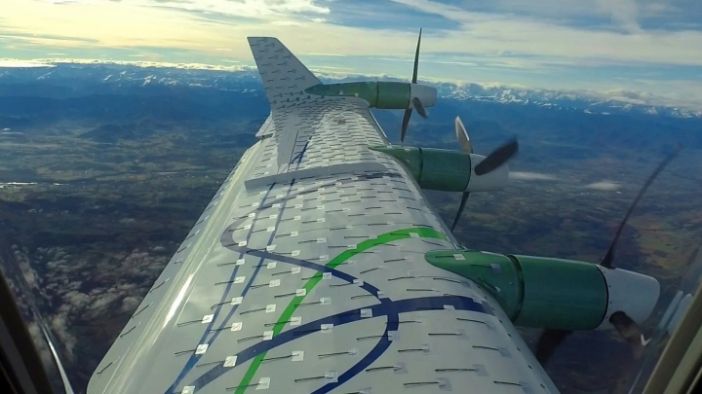
How Modern Airborne Flight Testing Is Evolving
As aerospace systems become more advanced, testing requirements continue to evolve alongside them.
Programs developing airborne sensors, communications technologies, and experimental payloads increasingly need flexible testing environments that can adapt quickly as technologies mature.
AI-Assisted Flight Data Analysis
Modern flight tests generate large amounts of operational and performance data.
AI-assisted analysis tools are helping engineering teams review that data more efficiently by identifying anomalies, tracking trends, and supporting faster post-flight evaluations.
While flight test engineers remain essential to interpreting results, these tools can help shorten evaluation timelines and improve testing efficiency.
Real-Time Telemetry and Mission Monitoring
Real-time telemetry plays a major role in modern airborne testing.
Mission teams can monitor payload performance, aircraft systems, and operational data while test events are actively underway. This allows teams to identify issues earlier, improve coordination between airborne and ground teams, and maximize the value of each flight hour.
As airborne systems become more complex, real-time visibility becomes increasingly important during developmental testing programs.
Rapid Integration Flight Testing Capabilities
Many aerospace programs cannot afford lengthy aircraft modification timelines every time a payload changes.
Rapid integration testing allows programs to evaluate sensors, antennas, payloads, and experimental systems more efficiently while reducing delays between development phases.
This flexibility is especially important for evolving defense programs and low TRL technologies where requirements may shift throughout the testing lifecycle.
In some cases, G&G Aero can help programs move from integration planning to airborne testing in as little as 60 days, helping teams accelerate development timelines without sacrificing operational flexibility.
Emerging Technologies in Aerospace Product Testing
Modern aerospace programs continue to push the boundaries of airborne technology. Flight testing environments must support that pace of innovation.
Low TRL Flight Testing Platforms
Low Technology Readiness Level systems often require airborne validation early in development.
Flexible flight testing platforms allow teams to evaluate operational performance, identify integration challenges, and gather real-world mission data before systems move into larger deployment phases. Non-ruggedized lab-grade systems can be integrated into large conformal ‘canoes’ on G&G Aero aircraft for early validation testing.
This helps accelerate development while reducing uncertainty earlier in the program lifecycle.
Advanced Airborne Sensor Testing Systems
Modern defense and aerospace missions rely heavily on advanced airborne sensor technologies.
Surveillance payloads, communications equipment, radar technologies, and electronic warfare systems all require operational testing in real-world airborne environments.
Airborne testing helps teams evaluate signal performance, environmental durability, integration compatibility, and operational reliability under actual flight conditions.
Next-Generation Payload Testing Methods
Modern airborne testing increasingly relies on modular integration approaches that support a wide range of payload configurations and mission profiles.
Flexible airborne platforms help programs evaluate evolving technologies more efficiently while minimizing delays between testing cycles.
This adaptability is especially valuable for defense programs operating on accelerated schedules.
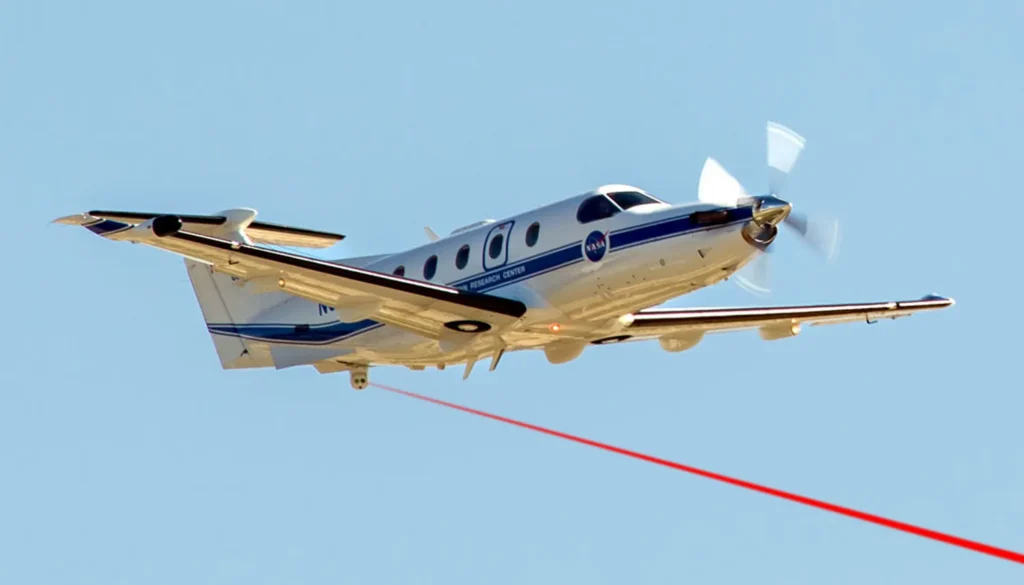
Why Flexible Airborne Testing Matters for Defense and Commercial Programs
Flexibility has become one of the most important advantages in modern airborne testing.
Program requirements often evolve throughout development, requiring testing environments that can adapt quickly without slowing operational timelines.
Faster Deployment Timelines
Adaptable airborne testing capabilities help reduce bottlenecks by supporting faster payload integration and more efficient operational evaluations.
For aerospace developers and defense contractors, accelerated testing timelines can help move technologies from development to deployment more efficiently.
Reduced Development Risk
Airborne testing helps identify integration challenges and operational limitations earlier in the development process.
Evaluating systems in operational flight environments provides valuable performance data before technologies move into larger deployment phases.
This helps reduce overall development risk while improving confidence in system performance.
Adaptable Airborne Platform Testing Environments
Modern testing programs require platforms capable of supporting changing mission systems and payload configurations.
Adaptable airborne testing environments allow programs to evaluate evolving technologies without requiring entirely new aircraft infrastructures for every mission profile.
How G&G Aero Supports Experimental Flight Testing Programs
At G&G Aero, we support experimental and developmental flight testing programs with flexible airborne platforms designed for rapid integration and operational evaluation.
G&G Aero continues the long-standing flight test legacy established at Phoenix-Goodyear through decades of operational aerospace testing experience.
Captive Carry Flight Testing
Captive carry testing allows programs to evaluate payload performance and aircraft integration while systems remain attached to the aircraft during flight operations. G&G Aero has flown many US-Inventory podded systems and payloads as well as experimental pods
These missions help teams validate functionality and gather operational data before deployment or release testing occurs.
Podded Flight Testing Expertise
Podded testing configurations provide a flexible approach for evaluating airborne sensors, antennas, communications equipment, and other mission payloads.
These configurations help reduce integration timelines while minimizing the need for extensive aircraft modifications.
Airborne Payload Integration Support
Successful flight testing depends heavily on effective payload integration and operational coordination.
G&G Aero supports payload integration planning, mission execution, and airborne evaluation across a wide range of aerospace and defense programs.
As airborne testing requirements continue to evolve, flexible and adaptable testing environments will remain critical to accelerating aerospace development while reducing operational risk.To learn more about G&G Aero’s airborne flight test capabilities or to inquire about flight test support for your program, contact our team today.